What to See in Punta Cana: A Coast, Not a City
Updated September 24, 2026 · 8 min read
The first thing to understand about Punta Cana is that it is not a town. There is no old quarter, no market square, no cathedral you can walk to. Punta Cana is a cape at the easternmost tip of the Dominican Republic, in the province of La Altagracia, and the name has spread over roughly 50 kilometres of coast that has almost nothing built on it except hotels.
That sounds like a criticism. It is not — it just changes what “sightseeing” means here. Everything worth seeing is either in the water, under it, or a drive inland. This guide is about which of those are worth the trip, and which are not.
The coast is not one beach
From south to north the strip runs Cap Cana, Punta Cana proper, Bávaro, Arena Gorda, Macao, Uvero Alto. Punta Cana International Airport sits in the middle of it, which is why transfers to the far ends take longer than people expect.
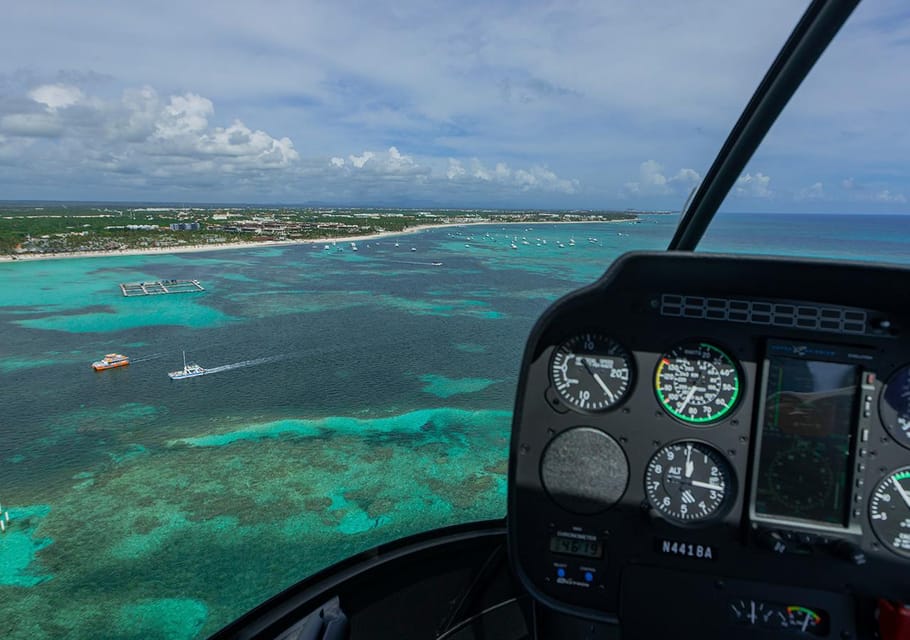
The part that matters for swimming is invisible from the sand. A coral reef lies offshore along the central Bávaro coast, and it takes the swell before the swell reaches you. That is why the water there is flat most mornings and stays shallow for a long way out.
Macao, about half an hour north, sits outside that protection. It faces open Atlantic water, the bottom drops away faster, and on windy days there are real waves and real currents. This is why Macao is where the surf schools are — and why it is the one beach on this coast where the flag on the lifeguard post is worth a second look before anyone goes in. The eastern end is the gentler end.
None of this makes one beach better than the other. It makes them different, and if you have small children or a nervous swimmer in the group, the difference is the whole decision. That is the subject of Punta Cana with kids.
The freshwater, which nobody expects
The limestone under this coast is riddled with collapsed caves that have filled with groundwater. Locally they are cenotes, the same word used in Yucatán, and two of them are genuinely worth the morning.
Ojos Indígenas is a reserve of 12 freshwater lagoons inside the Puntacana Resort grounds. Not all 12 are open to swimmers — that is deliberate, the closed ones are left to the fish and the birds. Visits are guided, and the resort’s own page quotes USD 90 for outside visitors against USD 40 for guests of its two hotels. Prices at private reserves change; check the figure when you book rather than trusting this page.
Hoyo Azul sits at the foot of a cliff in Cap Cana, at the end of a short walk through the forest. You cannot buy a ticket for the cenote alone — it comes with admission to Scape Park, the adventure park it belongs to. Life jackets are handed out and worn by everyone.
Both are freshwater, both have fish and other life in them, and both will ask you not to go in coated in sunscreen. That request is not decoration. Swimming in the cenotes of Punta Cana covers what each one is actually like, and the full range is on the cenote page — 174 offers, from €7.91.
The island day
The single most-booked thing anyone does from this coast is the trip to Saona Island, and it is not really a Punta Cana trip at all. Saona lies inside Cotubanamá National Park, and every boat to it leaves from the little port of Bayahibe, which is around 90 minutes down the coast by road. You are on a bus before you are on a boat.
What you get is a long day: the road, the crossing, a stop at the piscina natural — a waist-deep sandbank far out in the sea where starfish sit on the bottom — and a beach lunch, usually near Mano Juan, the island’s only village.
One rule matters more than any other out there, and it is a park rule, not a suggestion: do not lift the starfish out of the water. They breathe through their undersides and air kills them quickly. Guides say this; not everybody listens.
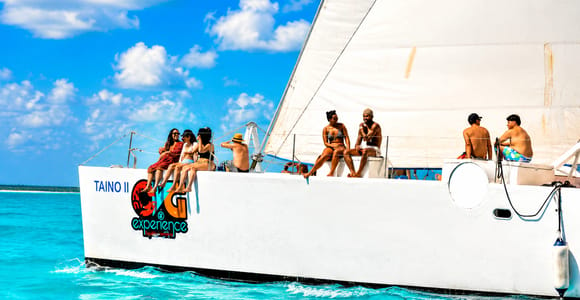
If an eight- to ten-hour day sounds like a lot, it is, and the Saona day trip is honest about who should skip it. The boats themselves are split between big catamarans and faster speedboats — 118 island tours from €5.27, and a separate list of catamaran trips if the sailing is the point rather than the island.
Inland, where the country actually is
Two trips go the other way, away from the sea.
Higüey is 45 minutes inland and is the provincial capital — a working Dominican town rather than a sight. Its landmark is the Basílica de Nuestra Señora de la Altagracia, the country’s principal pilgrimage church, and the reason most cultural half-days go there at all. It is the standard half-day out of the resort: the culture tours list starts at €3.51 — the lowest entry price in the whole local offer — though the Higüey half-days themselves begin at €26.35.
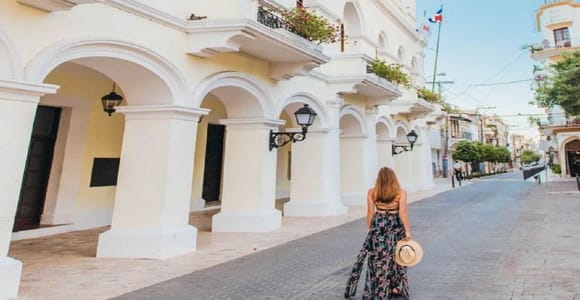
Santo Domingo is the other one, and it is a different order of commitment: around 200 kilometres, two and a half to three hours each way, more in the capital’s rush hours. What is at the end of it is the Zona Colonial, the oldest continuously inhabited European-founded city in the Americas. Its best-known building, the Alcázar de Colón, was closed for structural restoration and was handed back by the Ministry of Tourism on 10 July 2026 — worth checking its current opening hours, because it spent a good part of this year behind hoardings. The Santo Domingo day trip weighs up whether six hours in a bus is a fair price for it.
The things that only happen in some months
Two of the best trips from this coast are seasonal, and no amount of planning moves them.
Humpback whales gather in Samaná Bay to calve and mate. The Ministry of Environment sets the watching season, which opens on 15 January and closes in late March; February is the middle of it. Samaná is far — a day trip from Punta Cana is a very long one, usually combined with the El Limón waterfall — but it is the only window in the year when it exists at all.
Sargassum, the brown seaweed that drifts in from the open Atlantic, works the other way round. It tends to arrive from around April, peaks over the summer, and thins out towards the end of the year. October to December is generally the clearest water; the hotels rake the sand, but they cannot rake the sea.
The rest of the weather is simpler than it looks. December to April is the dry season and the reliable one. The Atlantic hurricane season officially runs from 1 June to 30 November, though the genuinely active stretch on this coast is late August to early October, and a direct hit here is rare rather than routine.
Do you need a car?
For most visitors, honestly, no. Almost everything on this page is sold with hotel pickup included, the airport transfer is usually already arranged, and if you are on an all-inclusive booking you may not leave the property more than three or four times in a fortnight.
It changes if you want the parts of the coast that the tour buses do not serve on a timetable — Macao on a weekday morning, the road north towards Uvero Alto and Miches, Higüey without a guide, a beach that is not the one outside your hotel. Taxi fares between hotels and outlying beaches are negotiated rather than metered, and two or three of those trips add up faster than a day’s hire. If that is the trip you are planning, it is worth comparing rental cars for Punta Cana before you arrive rather than at the desk.
Where to start
If you have one week and want one of each: a boat day, a freshwater morning, something inland, and one evening that is not the hotel buffet.
- the sea: snorkelling and catamaran trips
- the land: buggy and ATV tours, dusty and popular, described in what a buggy tour is really like
- the long days: day trips to Saona, Santo Domingo, Los Haitises and Samaná
- the evening: nightlife, which on this coast mostly means one very large club and a lot of transfers
Across all of it there are 559 offers on this coast at the time of writing. You will not run out. The harder question is how many long bus days a holiday can absorb — and the answer, for most people, is two.